
Install a mix of official transit apps and independent planners to compare real-time arrivals, planned disruptions, and route options that minimize fares. Save offline maps, pin restrooms and water fountains, and track battery life with a lightweight power bank. The small habits add up, keeping you informed when signals drop underground and ensuring your cheapest, most direct choices remain visible at every turn.

Station spacing tells stories. When stops sit close together, skip a ride and enjoy a short walk that introduces bakeries, pocket parks, and street art you would have missed. Watch for parallel bus and metro lines, fare boundaries, and transfer stations with multiple exits. By connecting two nearby stops on foot, you often save money, reduce transfers, and learn the city’s rhythm organically.

Many systems offer cheaper or calmer rides outside rush hours, while museums, viewpoints, and markets often feel more welcoming before lunch. Start early, ride when platforms are quiet, and choose long walking segments during peak congestion. This rhythm protects your budget and your patience, while positioning you for great photos, faster seating at cafés, and the kind of unhurried discoveries that define unforgettable city days.

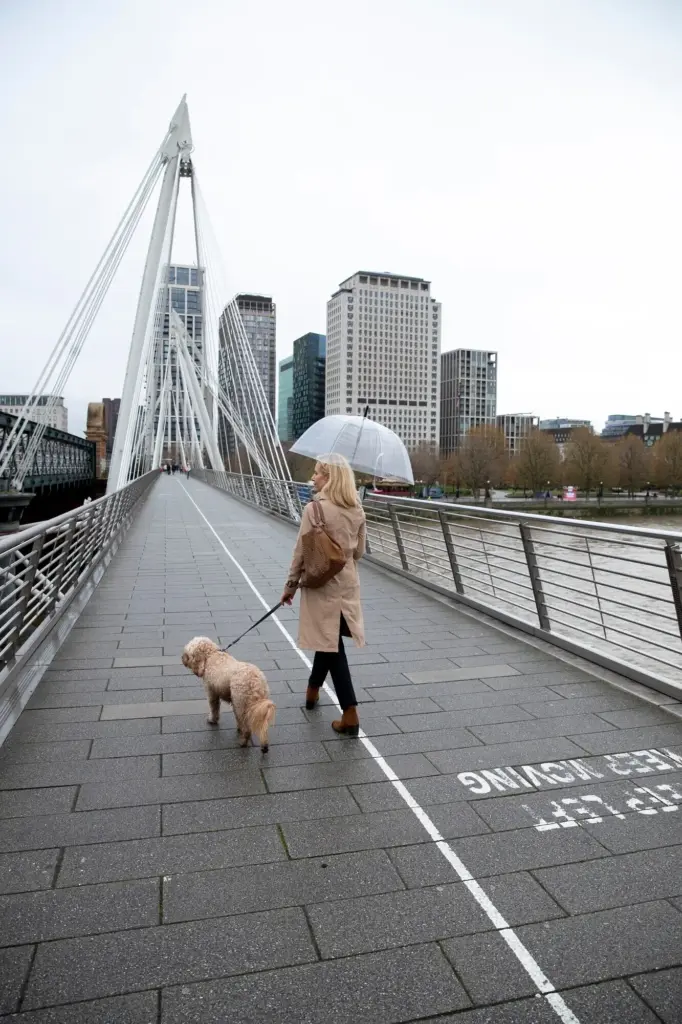
Plan a river or harbor stroll that starts near one stop and ends at the next, using promenades, boardwalks, or canal paths. If local ferries integrate with standard fares, ride one direction and walk the other. You will collect skyline reflections, bridge geometry, and breezy pauses. The cost remains low, the views generous, and your sense of the city’s shape suddenly clicks into place.
Ride a public bus or funicular up to a viewpoint included in ordinary fares, then descend on foot through winding residential lanes. Pause at small squares, family-run cafés, and stairway overlooks that never appear on glossy brochures. This gravity-assisted approach keeps knees happy, wallets happier, and schedules flexible. If weather shifts, a return stop usually waits nearby, ready to glide you onward affordably.
By leaning on a daily cap, a traveler hopped trains between art districts, then walked short gaps along leafy boulevards rather than transferring again. Free viewpoints replaced ticketed towers, and food came from market stalls with shared tables. The bill stayed tiny, the conversations generous, and the itinerary felt open enough to welcome surprise concerts, detours, and a sunset that arrived just when needed.
Missing a station turned into an unexpected gift: a riverside path flanked by murals and a flea market setting up camp. Instead of backtracking immediately, the traveler walked forward, rejoining the line at the next hub within a transfer window. The fare held steady, the photos sparkled, and a small mistake became a memory that turned friends into eager imitators.
A friendly driver and a station agent offered two pivotal tips: a lesser-known interchange corridor that saved time, and a weekend rule that extended transfer validity during service changes. Equipped with this insight, the traveler stitched together a playful loop of bus, tram, and footpaths. Costs shrank, confidence grew, and the city’s complexity began feeling like a generous puzzle worth solving.
All Rights Reserved.